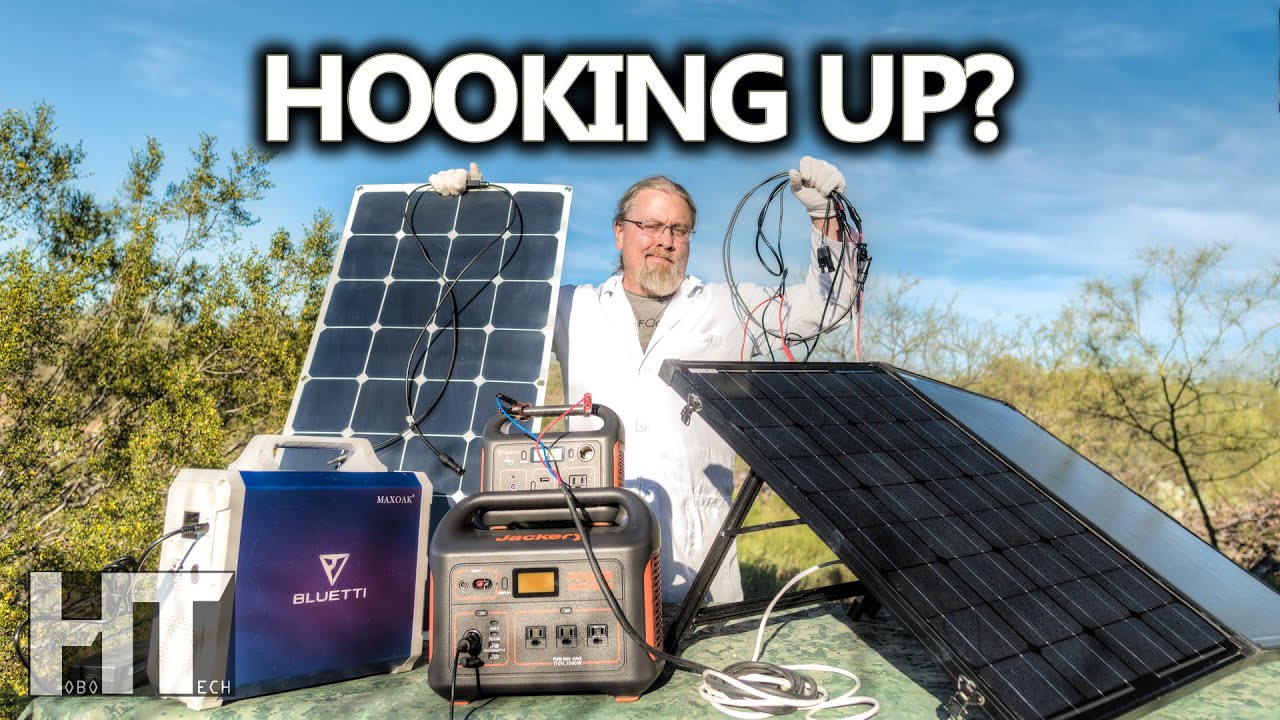
The hum of an inverter, the silent power of the sun, and the satisfaction of a self-built system – these are the hallmarks of a true DIY solar electric project enthusiast. In an era increasingly focused on sustainability and energy independence, the allure of generating your own clean power has never been stronger. For many, the journey into Diy Solar Panels is more than just an economic decision; it's a passion, a learning experience, and a profound step towards self-reliance. This article delves into the vibrant world of DIY solar, exploring why enthusiasts are so drawn to it, what it entails, and how you can connect with a thriving community of like-minded innovators.
The Allure of DIY Solar: Why Enthusiasts Embrace the Challenge
What drives someone to undertake the complex task of designing and installing their own solar electric system? The motivations are as diverse as the projects themselves, but several core themes resonate deeply within the community.
- Financial Independence and Savings: One of the most compelling reasons is the potential for significant long-term savings on electricity bills. By generating their own power, enthusiasts can reduce their reliance on utility companies, often leading to a substantial decrease in monthly expenses. For many, the initial investment in Diy Solar Panels pays dividends for decades.
- Environmental Stewardship: A strong commitment to the planet is a powerful motivator. Harnessing solar energy means reducing one's carbon footprint, contributing to cleaner air, and actively participating in the transition to renewable energy sources. There's a profound sense of purpose in knowing your home or project is powered by a clean, sustainable resource.
- Learning and Skill Development: DIY solar projects offer an incredible opportunity for hands-on learning. From understanding electrical circuits and system sizing to mastering roof installations and battery management, enthusiasts gain valuable technical skills. This educational aspect is highly rewarding, fostering a deeper understanding of energy systems and practical engineering.
- Self-Sufficiency and Resilience: For those seeking greater independence, particularly in off-grid applications or emergency preparedness, DIY solar provides unparalleled self-sufficiency. Knowing you can generate your own power, even in the event of grid outages, offers immense peace of mind and resilience.
- The Sheer Joy of Building: Perhaps the most understated, yet powerful, motivation is the pure joy of creation. There's an immense satisfaction in seeing a complex system come together, knowing every wire, every panel, and every connection was meticulously placed by your own hands. It's a testament to ingenuity and persistence.
The blend of these motivations creates a dynamic and passionate community, constantly seeking new knowledge and innovative solutions to power their lives with the sun.
Navigating the DIY Solar Landscape: Essential Components and Planning
Embarking on a DIY solar project requires a foundational understanding of the core components and a meticulous planning process. While the idea of installing Diy Solar Panels might seem daunting, breaking it down into manageable parts makes it accessible.
Understanding the Core Components:
- Solar Panels (Photovoltaic Modules): These are the heart of your system, converting sunlight into direct current (DC) electricity. Panels vary in wattage, efficiency, and physical size, requiring careful selection based on your power needs and available space.
- Inverter: Since most home appliances and the electrical grid use alternating current (AC), an inverter is crucial. It converts the DC electricity from your panels into usable AC power. There are various types, including string inverters, microinverters (one per panel), and hybrid inverters.
- Charge Controller (for Battery Systems): If your system includes batteries for energy storage, a charge controller is essential. It regulates the voltage and current coming from the solar panels to prevent overcharging and extend battery life.
- Batteries: For off-grid systems or grid-tied systems with backup power, batteries store excess energy generated during the day for use at night or during cloudy periods. Common types include lead-acid, lithium-ion, and newer flow batteries.
- Mounting System: This secures your solar panels, typically to a roof, ground, or a custom structure. Proper mounting ensures stability, optimal angle to the sun, and durability against weather elements.
- Wiring and Safety Equipment: A robust electrical infrastructure, including DC and AC wiring, circuit breakers, disconnects, and grounding equipment, is vital for efficient and safe operation.
The Importance of Planning:
Before buying a single component, thorough planning is paramount. This includes:
- Energy Audit: Determine your average daily energy consumption to accurately size your system.
- Site Assessment: Evaluate your location's sun exposure, shading issues, and available space for panels. Tools like a solar pathfinder or even smartphone apps can help.
- System Sizing: Based on your energy needs and sun exposure, calculate the number of panels, inverter capacity, and battery storage required.
- Local Regulations and Permits: This is a critical step. Research local building codes, electrical codes, and utility interconnection requirements. Many DIYers find this the most challenging but non-negotiable part of the process.
- Budgeting: Factor in all component costs, tools, potential professional assistance (e.g., for electrical inspections), and any permit fees.
Building Your Solar Dreams: Practical Tips and Resources
Once you've grasped the basics and completed your planning, the real work of building your DIY solar system begins. Here are some practical tips and valuable resources to guide you through the process.
Actionable Advice for DIYers:
- Start Small (If Possible): If you're new to electrical work or solar, consider starting with a smaller project, like powering a shed, an RV, or a small off-grid cabin. This allows you to learn the ropes without the complexity and expense of a full home system.
- Prioritize Safety: Electricity is dangerous. Always follow electrical safety protocols, wear appropriate personal protective equipment (PPE), and never work on live circuits. If unsure, consult with or hire a qualified electrician. Working at heights also requires strict safety measures.
- Research Thoroughly: Manufacturers' installation manuals are your best friends. Read them cover-to-cover. Watch reputable YouTube tutorials and consult multiple sources to cross-verify information.
- Understand Your Local Climate: Factor in extreme temperatures, snow loads, and wind resistance when selecting components and designing your mounting structure.
- Don't Skimp on Quality: While DIY can save money, choosing cheaper, unreliable components can lead to costly failures down the line. Invest in quality panels, inverters, and especially batteries.
- Document Everything: Keep detailed records of your system design, wiring diagrams, component specifications, and installation steps. This is invaluable for troubleshooting, maintenance, and future upgrades.
Essential Resources for Your Build:
When it comes to sourcing the essential hardware, many enthusiasts begin their journey by exploring options like Where to Find DIY Solar Panel Kits with Free Shipping. These kits often provide a convenient way to get started, bundling compatible components. However, for those looking for more custom solutions or individual parts, specialized solar equipment suppliers, electrical wholesalers, and online marketplaces offer a vast array of choices.
Beyond the components, thoughtful installation is key. For those considering integrating solar into existing structures, you might want to Explore Creative Deck Mounted Solar Panel Ideas, which can offer aesthetic and practical advantages, especially in urban environments or properties with limited roof space. Resources like Pinterest, specialized solar forums, and architectural design sites can provide a wealth of visual inspiration and technical insights for innovative mounting solutions.
Joining the Current: Connecting with the DIY Solar Community
One of the most enriching aspects of building DIY solar electric projects is the vibrant community surrounding it. "Love building DIY solar electric projects? Come hang out :D" – this common invitation perfectly encapsulates the spirit of shared passion and mutual support that defines the DIY solar world. Connecting with fellow enthusiasts offers a plethora of benefits that can significantly enhance your solar journey.
- Knowledge Sharing and Troubleshooting: Whether you're grappling with a wiring puzzle or trying to optimize your battery bank, chances are someone in the community has faced a similar challenge. Forums, social media groups, and local meetups are invaluable for getting advice, learning from others' experiences (and mistakes!), and finding solutions to complex problems.
- Inspiration and Innovation: Seeing what others are building can spark new ideas for your own projects. From ingenious mounting solutions to creative off-grid applications in tiny homes or workshops, the collective ingenuity of the community is a wellspring of inspiration. You might discover new technologies or methods you hadn't considered.
- Camaraderie and Support: Undertaking a DIY solar project can be a solitary endeavor at times. Connecting with others who understand the intricacies and satisfactions of the process provides a sense of belonging and encouragement. Celebrating successes and commiserating over setbacks with like-minded individuals makes the journey more enjoyable.
- Resource Discovery: Community members often share information about reliable suppliers, new product releases, local incentives, and even group buys for components, helping you make informed decisions and potentially save money.
- Networking for Local Assistance: In some areas, local DIY solar groups might organize workshops, panel discussions, or even provide hands-on help for larger installation tasks, fostering a strong local network.
Online forums, like the one mentioned in our inspiration, remain a cornerstone for connecting. Platforms such as Reddit (e.g., r/solarDIY), dedicated solar energy forums, Facebook groups, and even YouTube comment sections are teeming with enthusiasts eager to share their knowledge and experiences. Don't be shy; jump in, ask questions, and share your own progress. The collective intelligence and goodwill of the DIY solar community are among its greatest assets.
Embracing the world of DIY solar panels is an empowering journey that combines technical challenge with profound personal and environmental rewards. From the initial spark of inspiration to the satisfying hum of a self-sufficient system, every step offers an opportunity for learning and growth. By understanding the core components, meticulously planning your project, and most importantly, actively engaging with the vibrant community of fellow enthusiasts, you can unlock the full potential of solar energy and truly connect with a movement that is shaping a more sustainable future, one panel at a time. The sun is waiting, and so is a community ready to welcome you.